L10n Is Not Translation: Adapting Tone and Urgency by Market
Blog
Localization is the adaptation of content, product, or interface details to a specific market. Translation changes the language. Localization changes the fit. For conversion copy, that difference matters because the same Spanish sentence can feel natural in one country and slightly off in another.
A “reto” in Spain may need to become a “desafío” in Mexico. A “reserva ahora” may feel normal in travel, while “compra ya” can feel too aggressive in a professional service. The words are not just words. They carry rhythm, trust, urgency, and social temperature.
What L10n actually means
W3C defines localization as adapting content to meet the language, cultural, and other requirements of a specific target market. That is broader than translating sentences from one language to another. It includes formats, examples, idioms, tone, expectations, and sometimes even the structure of the message.
This is why Spanish localization is not one job. Spain, Mexico, Costa Rica, Colombia, Argentina, and Chile may share a language, but they do not always share the same commercial tone.
The conversion problem with literal translation
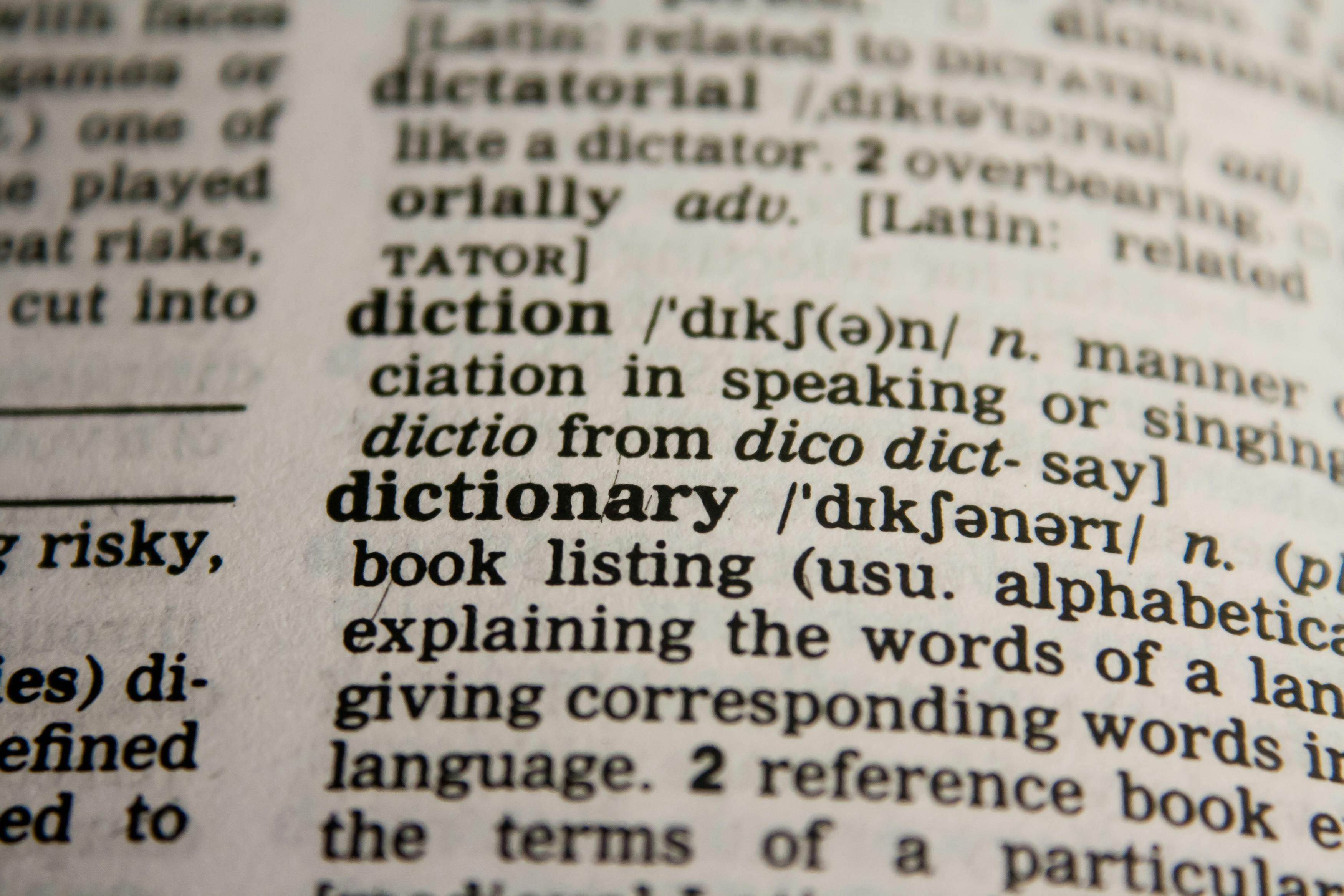
Literal translation keeps the dictionary happy. Users are less forgiving. A call to action can be technically correct and still feel foreign, stiff, or oddly intense.
For example:
Spain: “Empieza el reto” may feel energetic and casual.
Mexico: “Empieza el desafío” may feel more neutral in some contexts.
Costa Rica: softer phrasing may work better depending on the audience and service.
Argentina: tone may tolerate more directness or personality, but not corporate stiffness.
These are not universal rules. They are hypotheses to test. The mistake is assuming one Spanish version can carry every market without losing texture.
Localize urgency, not only vocabulary
Urgency is one of the easiest places to break trust. Some markets respond well to direct scarcity. Others read it as pressure. The same offer can shift from helpful to pushy with one verb.
Compare these CTA families:
High urgency: “Reserva ahora”, “Asegura tu plaza”, “Última oportunidad”.
Medium urgency: “Ver disponibilidad”, “Empezar ahora”, “Revisar opciones”.
Low pressure: “Explorar servicios”, “Conocer el proceso”, “Ver cómo funciona”.
The right choice depends on the product, the risk level, and the user’s stage. A hotel booking can tolerate urgency because availability is real. A consulting service often needs clarity before pressure.
Localize examples and proof
Examples carry cultural weight. A pricing example in euros may work for Spain but feel distant in Latin America. A case study about a European airline may be credible for travel tech, but a local business audience may need a closer analogy.
Local proof can include:
Relevant currencies and date formats.
Market-specific search terms.
Examples from familiar industries.
Testimonials from similar regions.
CTA language that matches local buying behavior.
Google also recommends using separate URLs for different language versions and hreflang annotations when you manage multilingual or multi-regional content. That technical layer helps search engines serve the right version, but the copy still has to feel right to the person reading it.
A practical localization matrix
Before adapting a landing page or article, build a simple matrix:
This does not need to become a 40-page localization bible. A one-page matrix can already prevent most awkward copy decisions.
How to test localized copy
Do not rely only on internal opinions. Test the localized version with people from the market when possible. Even three short reviews can catch words that sound strange, too formal, too intense, or not specific enough.
Ask reviewers:
Does this sound like something a person here would say?
Does the CTA feel clear or pushy?
Which word feels off?
Would you trust this offer?
What would you expect to happen after clicking?
The best localization feedback is often blunt. Good. Polite confusion is how bad copy survives.
The practical answer
L10n is not translation with a nicer acronym. It is market adaptation. For conversion work, that means adjusting vocabulary, urgency, examples, proof, and sometimes the offer framing itself.
Start with one Spanish version if you must, but do not pretend it is universal. The closer your copy gets to the local buying context, the less work the user has to do to trust it.
Looking for Someone Who Can Do This on Your Team?
I write these breakdowns because it's what I do: find the real bottlenecks (not the obvious ones) and fix them with data.
If your team needs someone who can:
Diagnose conversion problems with data, not opinions
Ship fixes with measurable impact in 30-60 days
Move between strategy, analysis, and execution
Let's talk.

Josue Somarribas
Product Designer especializado en conversión y crecimiento
Contact